August 28, 2026
Commuting exposes drivers to immense solar radiation. Sunlight penetrates untreated glass with profound intensity. Ultraviolet rays reach vehicle interiors and saturate the enclosed space. Prolonged exposure causes unseen harm to the human body. Many individuals underestimate this risk during routine commutes. Acknowledging sun damage risks during travel remains essential for maintaining long-term health. The physical consequences of solar radiation accumulate without immediate detection.
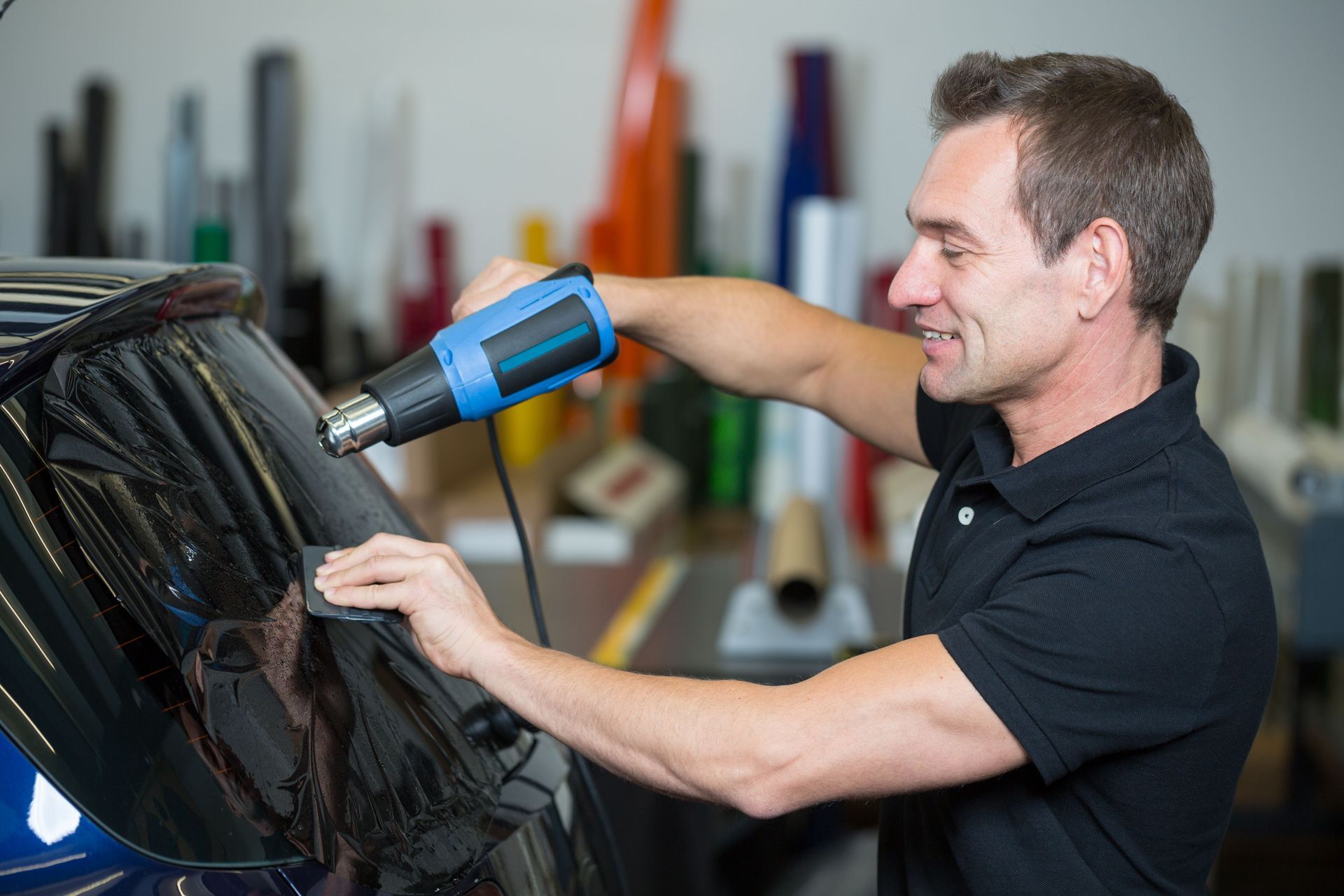
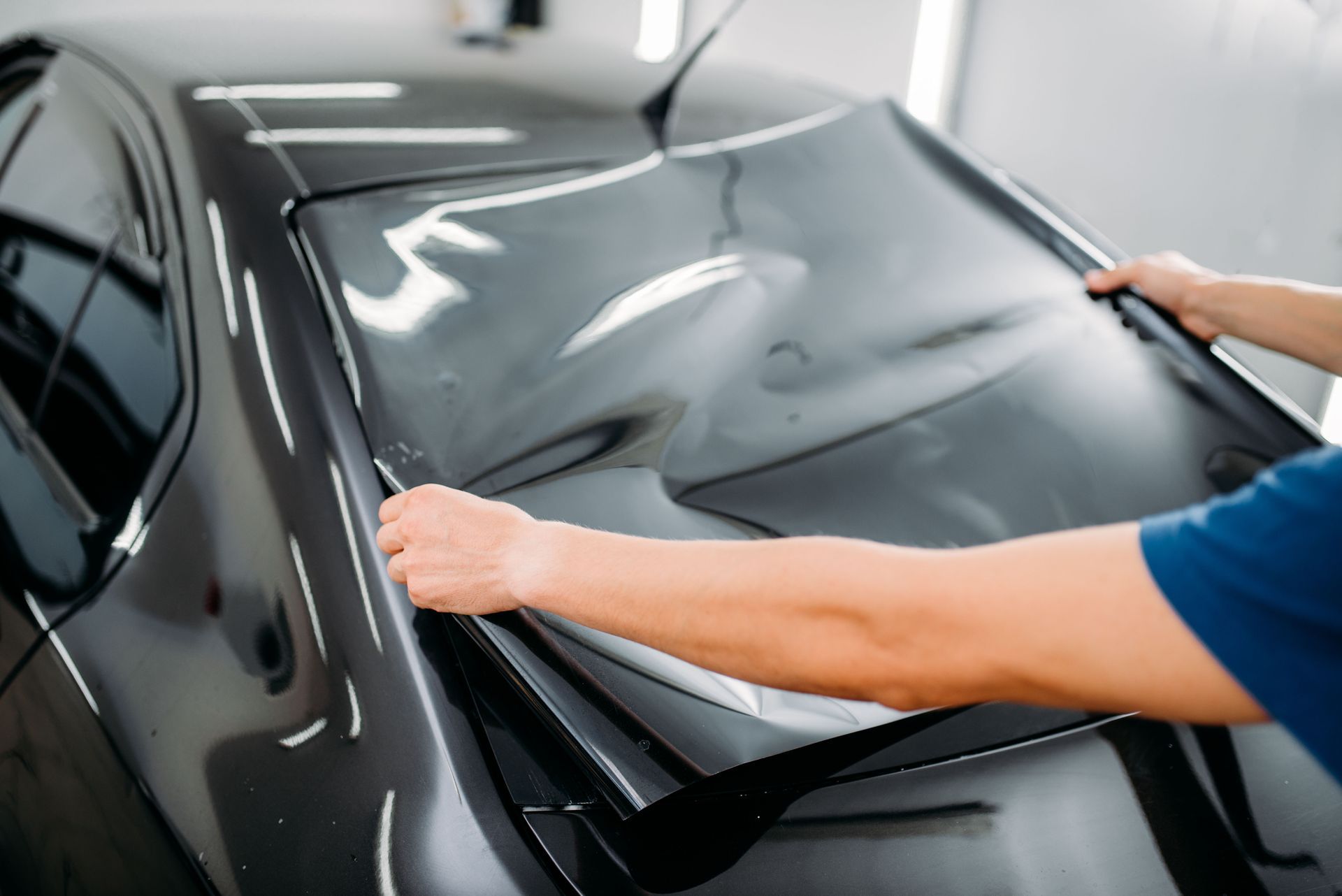
Mitigation strategies exist for regular commuters seeking protection. High-quality vehicle modifications offer practical solutions for everyday drivers. A specific physical barrier reduces solar penetration and creates a secure cabin. Installing auto window tint transforms a car interior into a safe environment. Blocking ultraviolet radiation improves overall driver wellness and prevents cumulative biological damage. Modifying the glass provides an invisible shield against atmospheric threats. Consistent application of preventative measures ensures safety.
Safeguarding the Skin Against Cellular Damage
Human skin absorbs ultraviolet radiation through standard vehicle glass. Continuous exposure alters cellular structures and degrades basic DNA integrity. Dermatologists link prolonged driving routines to asymmetrical sun damage on the human body. The window side of a driver receives concentrated radiation during afternoon commutes. Skin health deteriorates without adequate protection against these penetrating rays. Occupants remain vulnerable to unseen atmospheric hazards inside standard vehicles.
Melanoma and other skin cancers develop from cumulative ultraviolet absorption. Ultraviolet A rays penetrate deep skin layers and cause severe cellular mutations. These specific rays pass through ordinary glass without any physical resistance. People commuting long distances face elevated skin cancer risks due to constant exposure. A physical barrier provides necessary defense against such malignant conditions. Shielding the epidermis prevents structural cellular degradation.
Modifying vehicle glass mitigates these severe health risks. Specialized films reject harmful solar energy before it reaches the occupants. Drivers benefit from this constant protective layer during all seasons. The strategic application of auto window tint acts as permanent sunscreen for everyone inside the vehicle. Continuous defense mechanisms ensure passengers avoid acute sunburns. Glass treatment offers a reliable method for comprehensive skin preservation.
Protection levels vary based on specific film materials and manufacturing techniques. Quality products yield significant health advantages for regular travelers. According to Gitnux, carbon auto tinting blocks 99% of UV rays. This level of defense halts cellular mutations and preserves dermal health. Passengers remain safe from malignant skin conditions during transit. Superior glass coatings form an impenetrable barrier against intense atmospheric radiation.
Shielding the Complexion Against Premature Aging
Ultraviolet radiation accelerates natural skin aging processes and degrades appearance. Photoaging manifests as deep wrinkles and severe hyperpigmentation on the face and arms. Sun exposure degrades collagen and elastin proteins within human skin tissues. These structural components maintain skin firmness and youthful elasticity. Loss of collagen creates sagging skin and profound creases. Cellular breakdown alters the physical texture of the human complexion.
Drivers exhibit premature aging signs on specific sun-exposed sides. Dermatological studies document visible differences between facial halves on frequent drivers. Left-side facial aging characterizes chronic commuters in nations with standard traffic patterns. Prevention requires consistent environmental controls within the vehicle cabin. Blocking solar penetration halts the acceleration of dermal degradation. Preserving youthfulness demands an active approach to interior climate and light management.
Lengthy commutes contribute to long-term dermatological degradation. Topical sunscreens wear off during extended journeys and leave individuals unprotected. Passengers require passive protection systems that demand no manual reapplication. Utilizing auto window tint stops solar degradation at the exterior glass surface. Such films maintain skin vitality and halt internal moisture loss. The constant barrier functions without any required maintenance or user intervention.
Blocking solar radiation preserves skin texture and maintains an even tone. Consistent shade inside the vehicle prevents melanin overproduction and dark spots. Individuals retain even complexions despite hours spent commuting under harsh sunlight. This proactive measure ensures long-term dermal health for frequent travelers. A shielded environment keeps the epidermis hydrated and structurally sound. Passengers exit the vehicle looking refreshed and unharmed by solar fatigue.
Protecting the Eyes Against Ocular Strain
Solar glare impairs vision and causes intense ocular discomfort for drivers. Bright light forces the eyes to squint in an attempt to block excess illumination. Constant squinting fatigues facial muscles and strains delicate ocular nerves. Drivers experience severe tension headaches from unmitigated sunlight exposure. Glare creates unsafe driving conditions and physiological stress. Reducing excess light entering the eyes remains a medical necessity.
Ultraviolet radiation damages delicate internal eye structures over an extended duration. Prolonged sun exposure contributes to cataract formation and progressive vision loss. Macular degeneration risk increases with chronic solar radiation absorption. The cornea requires protection from direct beams and reflected sunlight from the road surface. Unfiltered glass leaves human eyes vulnerable to permanent cellular damage. Ocular tissues cannot regenerate.
Managing light transmission into the cabin preserves visual health and comfort. Darkened glass reduces surface glare and eases immediate ocular strain. Drivers maintain relaxed facial muscles during bright conditions and high noon commutes. Applying auto window tint shields sensitive eye tissues from harsh environmental illumination. The filtration system normalizes interior lighting and prevents optic nerve fatigue. Visual clarity improves when brightness diminishes.
Visual comfort prevents chronic tension headaches and acute mental fatigue. Passengers enjoy clear vision without squinting or shielding their faces. Long journeys cause less physiological exhaustion when cabin light remains controlled and subdued. Ocular protection represents a core benefit of blocking ultraviolet radiation. Eye health requires this consistent environmental management for all vehicle occupants. Glare reduction contributes to a relaxed travel experience.
Defending the Body Against Thermal Exhaustion
Vehicles trap solar heat and create dangerous high interior temperatures. Greenhouse effects turn standard cabins into hazardous thermal environments. Excessive heat causes systemic dehydration and immense physical exhaustion. Drivers lose mental focus when battling high cabin temperatures during summer months. Extreme heat jeopardizes physical well-being and stresses the cardiovascular system. Sustained high temperatures drain human energy reserves and induce severe lethargy.
Thermal stress affects the entire cardiovascular system of a vehicle occupant. The human body expends immense energy attempting to cool itself through continuous perspiration. Sweat loss leads to rapid dehydration during extended summer commutes. Vulnerable passengers face heatstroke risks in unfiltered vehicles left under direct sunlight. Temperature regulation remains a critical health priority for individuals sensitive to climate extremes.
Specialized films reject solar heat before the energy enters the cabin. Infrared radiation bounces off the treated glass and dissipates into the atmosphere. Interior temperatures remain stable and comfortable despite external weather conditions. High-quality auto window tint prevents the dangerous accumulation of excessive solar heat. The physical barrier keeps the climate controlled and safe. Passengers avoid the shock of entering overheated vehicles.
Stable environments reduce systemic physical stress on the human body. Hydration levels remain normal without excessive sweating and related fluid loss. Drivers maintain mental alertness and experience optimal physical comfort behind the wheel. Heat rejection systems protect all occupants from the dangers of acute thermal exhaustion. Consistent cooling supports overall human health and prevents heat-related illnesses. Shielding the interior guarantees a secure microclimate.
Recognizing the profound effects of solar radiation empowers proactive vehicle owners. Unfiltered sunlight causes invisible cellular damage and induces visible physical fatigue. Skin diseases, ocular degradation, and thermal stress threaten routine commuters. Proactive interior management averts these constant environmental hazards. Acknowledging the biological risks of solar penetration inspires necessary protective modifications. Occupant safety extends beyond structural integrity to include comprehensive environmental shielding.
Prioritizing physical health requires modifying the daily commute environment. A simple glass treatment delivers comprehensive biological protection for all occupants. Premium auto window tint ensures safe and comfortable travel across any distance. Continuous defense against atmospheric threats promotes enduring health and vitality. Implementing passive protection transforms regular vehicles into secure sanctuaries. We invite you to safeguard your health on the road by scheduling an appointment with us at Executive Tint. Let our experienced team install high-quality auto window tint to provide the reliable UV protection you deserve.