March 4, 2026
Choosing the right window tint for your car involves more than just aesthetics; it offers a blend of style enhancements and increased safety. A perfectly selected tint can transform the appearance of a vehicle, conveying a sense of elegance with the right shade and texture. According to Mordor Intelligence, windshields alone account for about 44.6% of the market revenue of auto glass tinting in 2024. More importantly, tints offer practical benefits such as protection from ultraviolet (UV) rays, heat reduction, and increased privacy. The enhancement of safety through reduced glare and minimized interior fading is a testament to the effectiveness of high-quality window tints and professional auto window tint solutions. In this article, we delve into a detailed exploration of finding the ideal window tint for your vehicle, balancing both style and safety aspects while understanding how auto window tint options can elevate your driving experience.
Understanding Different Types of Window Tints
Dyed window tints are among the most basic and budget-friendly options available, ideal for altering the car's appearance by adding a dark, opaque layer. This type of tint is created by adding a dye to the adhesive layer that sticks to the glass, primarily working to absorb solar heat. Although they provide a stylish look and basic privacy, dyed tints generally do not block as much heat as other types of auto window tint. Due to their absorbent nature, they can lead to warmer interiors over time. Nevertheless, they remain popular for those seeking a cost-effective solution to enhance vehicle aesthetics.
Using a Metalized Window Tint
Metalized window tints provide a durable, long-lasting solution by using tiny metallic particles embedded in the film, enhancing its reflective capabilities. These tints are known for their shinier appearance, resulting from the metallic content, which reflects heat and UV rays efficiently. This reflective property not only reduces interior heat but also strengthens the window against potential shattering, making this type of auto window tint appealing for drivers seeking added durability. While effective, the metallic nature of the tint can sometimes interfere with electronic devices, making it a crucial consideration for tech-savvy users. Despite this, metalized tints remain a popular choice due to their durability and superior heat rejection qualities.
Utilizing a Hybrid Window Tint
Hybrid window tints are designed to offer the best of both dyed and metalized tints by incorporating layers of both types to balance cost, appearance, and performance. By blending dyed and metalized features, hybrid tints provide a moderately darker appearance without the highly reflective finish of pure metalized films. This combination also ensures that hybrid tints do not interfere with electronic devices, a common issue with fully metalized options. The hybrid approach delivers improved heat rejection capabilities alongside a more natural look, making this form of auto window tint a practical and versatile choice. For those seeking an optimal balance, hybrid tints are a commendable option.
Learning About Carbon Window Tint
Unlike dyed or metalized tints, carbon window tints use carbon particles to block infrared light effectively, leading to a cooler interior. Carbon tints stand out for their ability to provide a matte finish, adding a touch of sophistication and style to any vehicle. With superior UV and infrared rejection rates, carbon tints prevent fading of car interiors and improve energy savings by reducing air conditioning needs. Additionally, they do not contain metal, so radio or satellite signals remain unaffected. Recognized for their durability and UV protection, carbon window tints offer a premium auto window tint option for long-term vehicle protection.
Exploring Ceramic Window Tint
Ceramic window tints represent the evolution in tint technology, offering unparalleled performance with their non-metal, non-conductive ceramic particles. These tints provide outstanding clarity while rejecting heat effectively, ensuring a stable and cool interior environment. Ceramic films excel in blocking up to 99% of UV rays and significantly reducing glare without compromising visibility. As a result of their advanced formulation, they come without interference with electronic devices and offer fade-resistant performance. The high cost of ceramic tints is justified by their impressive durability and optical clarity, making them a top-tier auto window tint choice for premium installations.
Evaluating the Legal Aspects of Window Tinting
When considering window tinting, it is crucial to become familiar with the tint laws specific to your region, as they vary widely. Laws may dictate permissible shades, reflectivity limits, and even prohibit certain types of tints altogether. A quick online search or consultation with local authorities can provide comprehensive guidelines to ensure compliance. Some reputable auto window tint installation companies also provide regulatory advice, ensuring that their services align with legal standards. Adhering to these laws is essential to avoid fines and ensure safe driving conditions.
Paying Attention to Visible Light Transmission (VLT) Restrictions
Visible Light Transmission (VLT) is a key parameter in tint laws, defining the percentage of visible light that must pass through the tint. Higher VLT percentages typically mean lighter tints, which allow more light to enter the vehicle, impacting both visibility and heat rejection capabilities. Different states and regions may impose varying VLT restrictions for different vehicle windows. Understanding these requirements helps in selecting a tint that balances style preferences with legal requirements. By adhering to VLT restrictions, vehicle owners can avoid legal complications and fine penalties.
Being Mindful of Consequences of Non-Compliance
Choosing a window tint shade that does not comply with local regulations can lead to legal issues, financial penalties, and vehicle inspection failures. Traffic citations or fines are standard responses for non-compliance, with repeat offenses leading to increased costs and criminal charges in severe cases. Additionally, illegal tints might cause drivers to fail mandatory vehicle inspections, affecting insurance coverage and registration renewals. To prevent these disruptions, it is advisable to confirm that your chosen tint complies with all applicable laws. Ensuring adherence to laws ultimately protects not only finances but also road safety.
Discussing Exemptions and Medical Considerations
Certain exemptions exist for window tinting laws, often accommodating drivers with specific medical conditions that require reduced light exposure. Drivers seeking such exemptions usually need to provide medical documentation explaining the necessity for additional tinting. Once approved, vehicle owners can legally modify their window tints to higher opacity levels than typically permitted. Understanding and navigating these exemptions requires consultation with medical professionals and legal experts, ensuring compliance with regulations without compromising health needs. Such personalized accommodations reflect the understanding that regulatory frameworks have of exceptional circumstances.
Consulting with Professional Installers
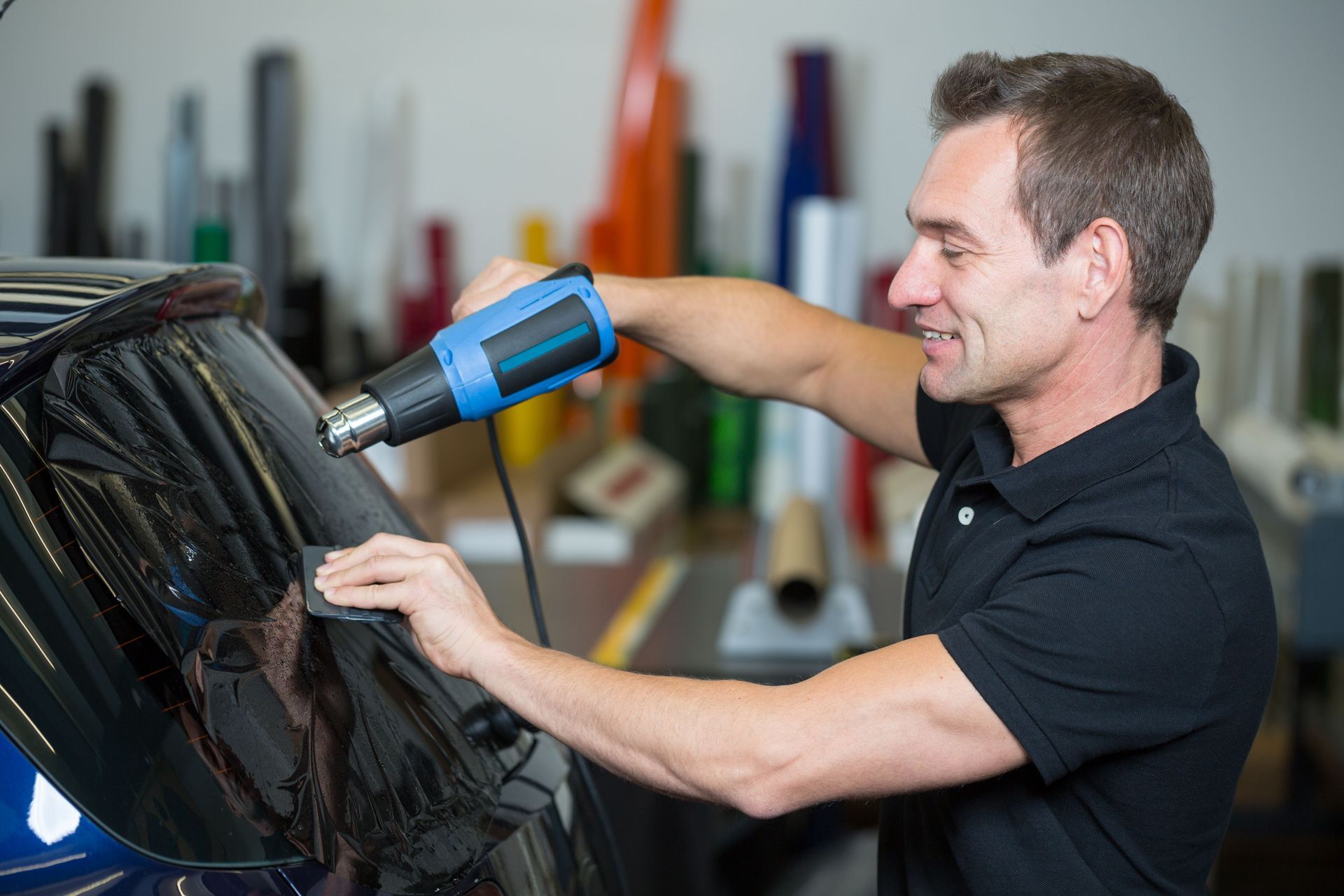
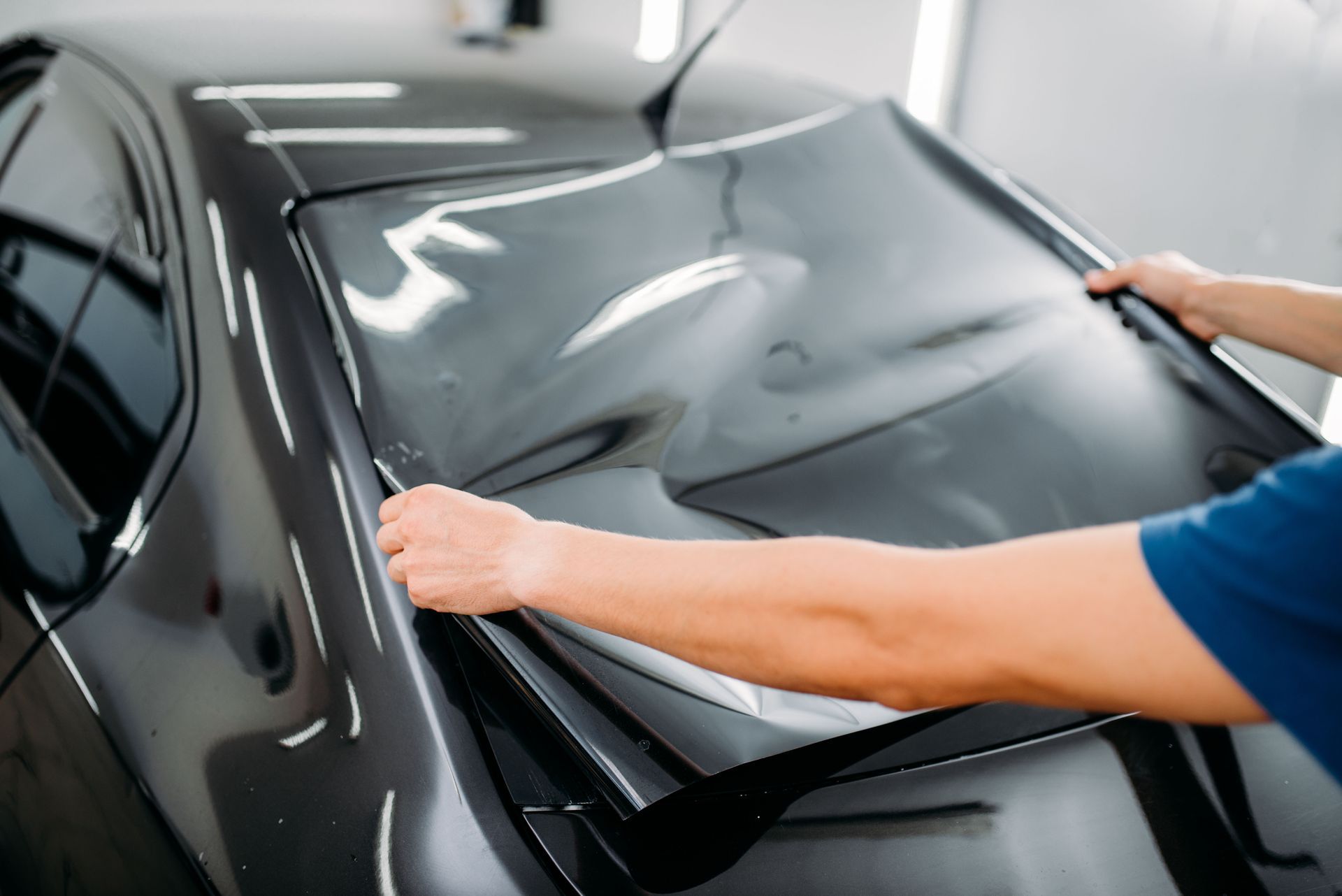
Consulting with professional tint installers can ensure that your tinting choices adhere to legal standards, as such experts keep abreast of local laws and requirements. Their industry knowledge offers an upfront evaluation concerning compliance, potential exemptions, and optimal material choices for both style and legal conformity. Moreover, professionals can advise on compatible options for vehicles with factory tints or complex safety features. This expertise helps avoid unexpected legal hurdles and ensures optimal performance from your auto window tint. Trusting professional service providers significantly reduces risks associated with incorrect tinting applications.
Considering the Aesthetic Appeal
Picking the right tint shade is essential to maintain a cohesive appearance with your car's color, enhancing its aesthetic appeal. Generally, darker car colors blend well with darker tints, creating an aura of sophistication, while lighter tints complement lighter car shades. Shades like charcoal or smoke go well with metallic or brighter-colored vehicles, offering a subtle yet stylish appearance. It's essential to contemplate the overall theme of your vehicle and its intended impression, ensuring cohesive design coordination. In the end, the right tint shade can seamlessly blend or boldly contrast, making a unique statement.
Selecting the ideal window tint involves carefully balancing appearance, performance, and legal compliance. With a wide range of materials available, from dyed to ceramic, drivers can choose an option that aligns with their budget, lifestyle, and protection needs. By understanding the benefits and limitations of each type and ensuring proper installation, you can maximize the advantages of your auto window tint. Ultimately, an informed decision enhances comfort, preserves your vehicle’s interior, and elevates both safety and style on the road. If you are seeking an auto window tint specialist in the Houston, TX area, contact Executive Tint today.