October 28, 2026
Selecting high-grade window film represents an effective upgrade for any automobile. Drivers spend countless hours behind the wheel navigating bright sunlight, highway reflections, and cabin warmth. Adding specialized film builds upon factory automotive glass, providing an extra layer of defense against solar energy to preserve dashboards, leather seating, and passenger comfort. Continuous material innovations have introduced advanced films that elevate the driving experience. Investing in quality auto tint provides a lasting shield against environmental elements, transforming routine commutes into serene journeys.
Two premium options command the automotive market: carbon films and ceramic films. Both options build upon traditional window treatments by incorporating modern materials engineered for longevity and refined performance. Because these advanced films utilize non-metallic constructions, they maintain seamless compatibility with mobile devices, GPS navigation, and onboard vehicle electronics. While each film delivers impressive heat deflection, glare reduction, and interior protection, both bring distinct functional advantages to the cabin. Understanding how these materials compare allows car owners to select the ideal upgrade for their driving requirements.
Understand Technology and Purpose
Automotive window films serve a vital protective purpose that extends far beyond appearance. Unprotected vehicle glass allows solar radiation to penetrate the cabin and cause rapid heat buildup. This constant thermal exposure degrades delicate leather upholstery, fades fabric, and creates unsightly cracks along the dashboard. Applying high-performance auto tint creates an effective barrier that filters out intense solar rays before thermal energy warms interior surfaces. This barrier reduces strain on vehicle air conditioning, maintaining a refreshing cabin atmosphere during warm afternoons.
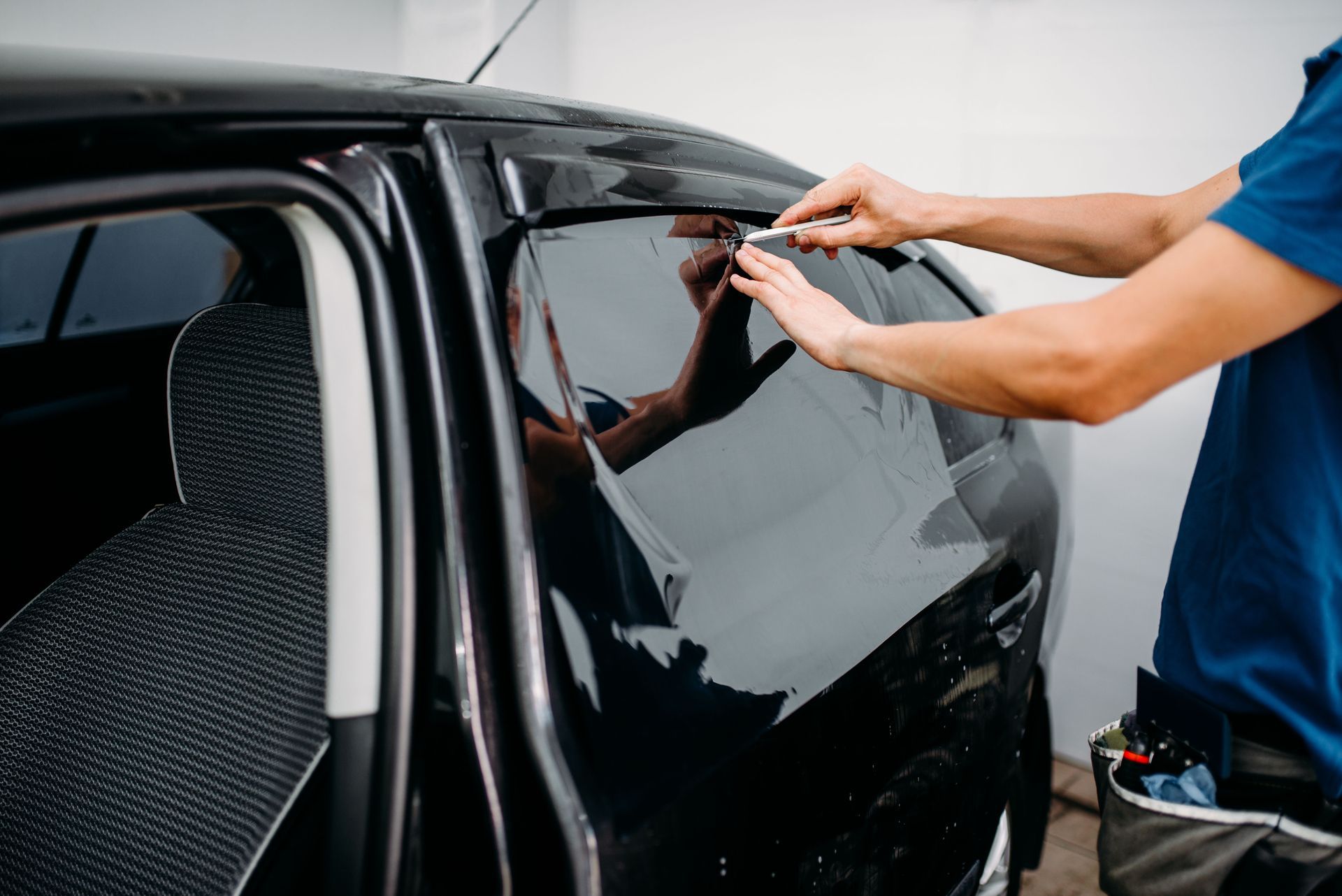
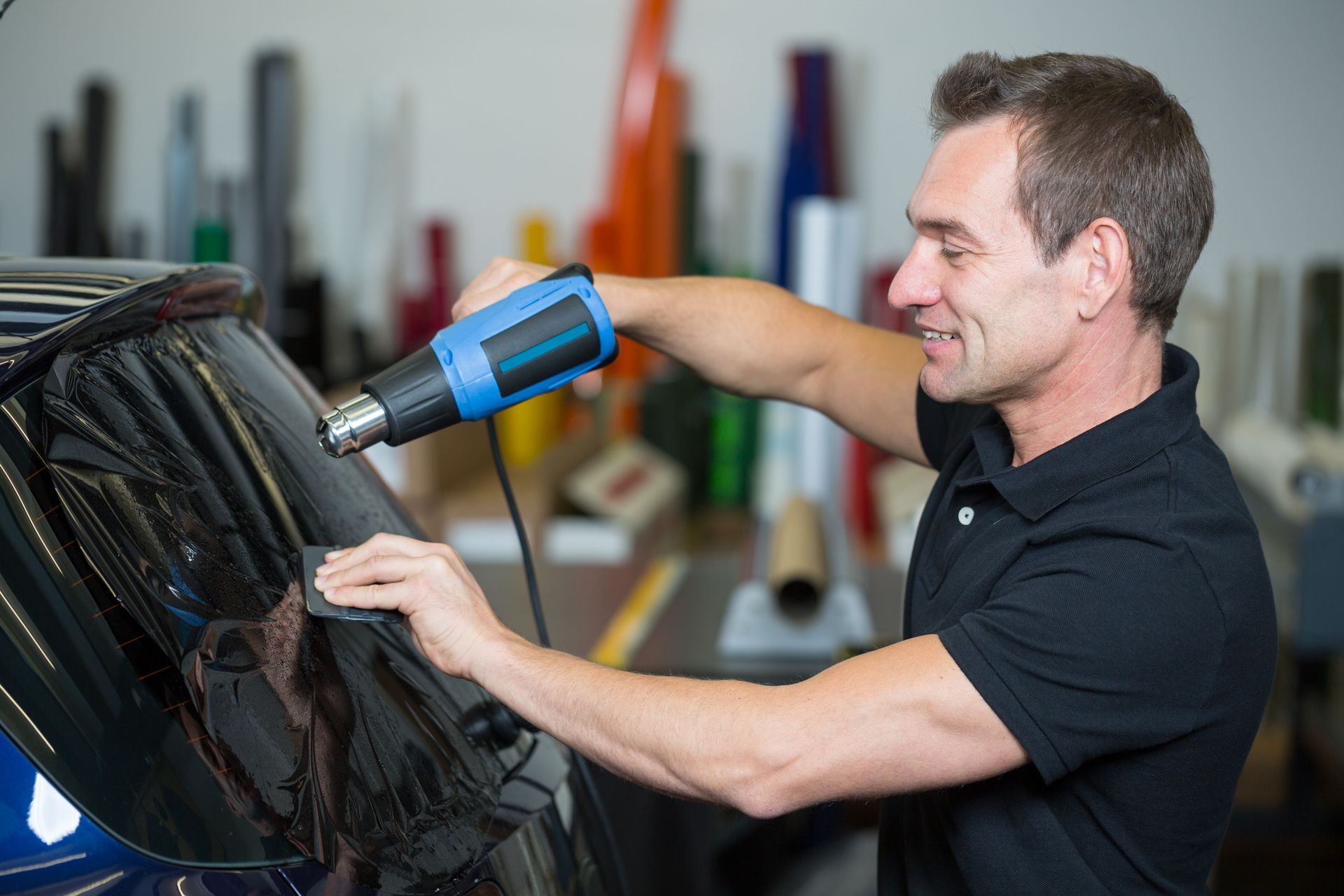
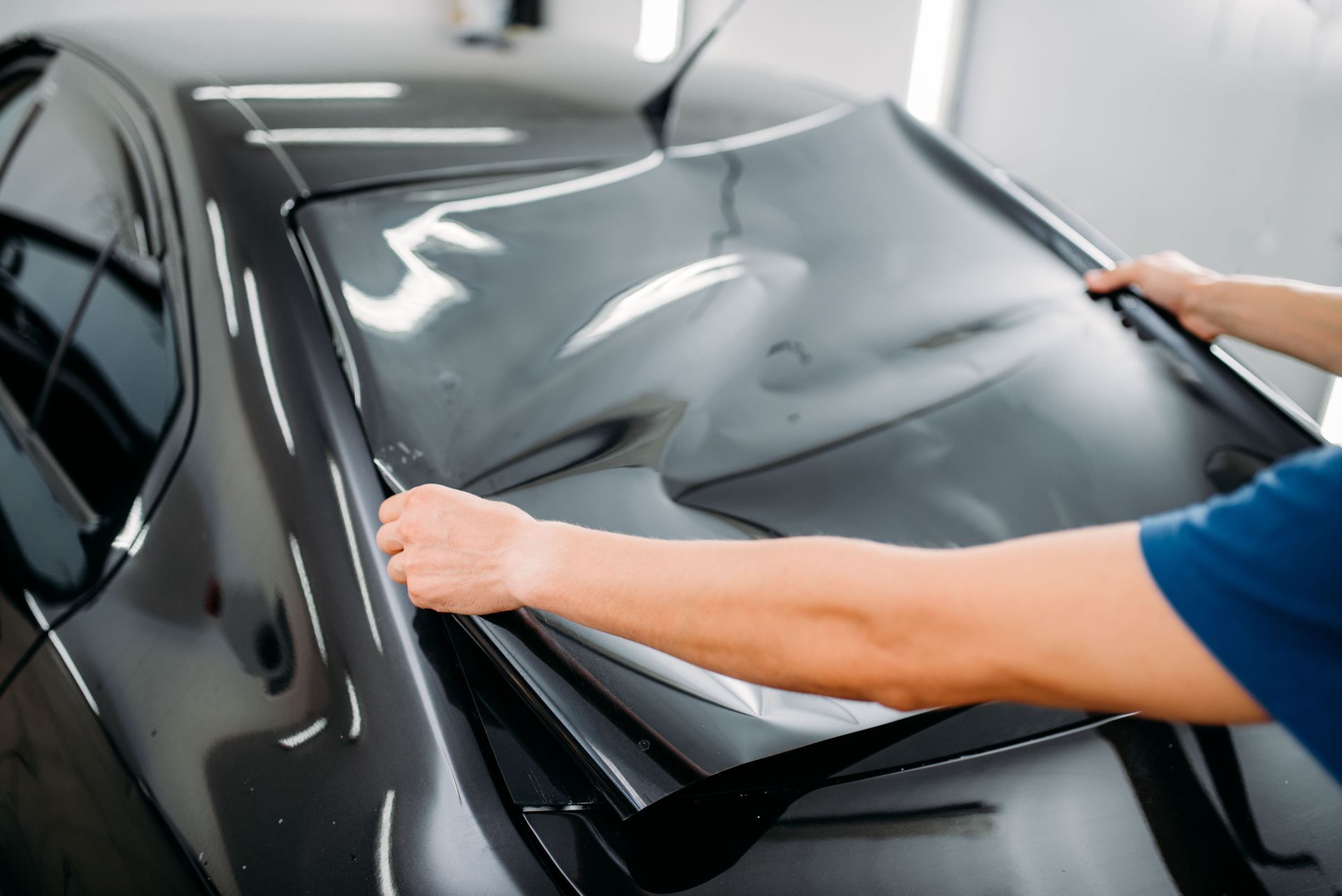
Solar protection also enhances driver safety and cabin serenity during demanding road conditions. Blinding sunlight reflecting off surrounding traffic, asphalt, and concrete structures produces eye fatigue that hinders driver visibility. According to research from Gitnux, 68% of drivers choose window film specifically for heat rejection qualities. Skilled technicians apply these protective sheets with precision cutting technology, contouring the material smoothly against curved automotive glass. This application process guarantees optical clarity, ensuring clear sightlines through every side window and rear glass panel.
Examine Carbon and Structure
Carbon window film owes its performance to an innovative material architecture that avoids traditional organic dyes. Standard dyed products deteriorate under ultraviolet exposure, resulting in discoloration and reduced effectiveness. In contrast, carbon auto tint incorporates microscopic carbon particles embedded directly throughout durable polyester layers. These carbon particles remain chemically stable, resisting thermal breakdown and retaining deep color across years of direct sun exposure. The material maintains an authentic matte black appearance that gives any vehicle an understated, factory-finished look.
The physical composition of carbon film provides distinct technical advantages for vehicle owners. Unlike older metallic window films that contained metal particles, carbon material contains no conductive metallic elements. This non-metallic construction prevents signal disruption that often plagues drivers who depend on modern navigation and mobile connectivity. Cellular signals, satellite radio, keyless entry transmitters, and onboard diagnostics function smoothly without signal obstruction. Drivers benefit from steady communication signals alongside exceptional resistance to solar heat.
Assess Durability and Appearance
Exceptional durability is a primary hallmark of carbon window film. Because the dark color is integrated throughout the carbon particles rather than applied as a surface dye, the film will not fade over time. The tough polymer matrix also provides solid scratch resistance, protecting the film against repeated window operation and interior cleaning routines. Car owners can wipe down the glass using microfiber towels without worrying about minor abrasions or peeling edges. This resilience ensures that the film retains its protective properties throughout years of daily vehicle operation.
Aesthetic appeal makes this material a favorite among automotive enthusiasts who appreciate a classic, subtle style. The matte charcoal finish pairs naturally with vehicle exterior paint colors and trim packages. It gives side windows an elegant look while maintaining clear outward vision for the driver. Opting for carbon auto tint provides a refined aesthetic upgrade that complements vehicle styling while delivering consistent heat deflection. Vehicle owners enjoy enhanced privacy for passengers, as darkened glass deters curious glances into the cabin.
Inspect Ceramics and Particles
Ceramic film represents a revolutionary leap forward in automotive window film development. This advanced material incorporates microscopic, non-conductive ceramic nanoparticles embedded within specialized optical layers. These particles are invisible to the naked eye, allowing clear visible light transmission while creating defense against infrared radiation. Because infrared rays generate the majority of solar heat felt inside a vehicle, targeting this spectrum delivers unrivaled thermal performance. Investing in modern ceramic auto tint elevates vehicle comfort by stopping solar heat before it penetrates cabin glass.
The sophisticated ceramic structure provides outstanding clarity along with reliable electronic compatibility. Like carbon options, ceramic films contain no metallic components, eliminating interference with electronic communication systems. Toll transponders, mobile phones, global positioning systems, and keyless remotes operate without signal blockage. The non-metallic formula also eliminates edge oxidation, which causes metallic films to corrode around glass borders. Car owners gain performance that preserves clean window borders and flawless clarity across all driving environments.
Maximize Comfort and Clarity
Superior heat reduction remains the crowning achievement of ceramic window film technology. The nano-ceramic particles absorb and redirect infrared energy, maintaining stable cabin temperatures even in high-heat geographical areas. Applying high-grade ceramic auto tint keeps leather seating surfaces cool to the touch and reduces dashboard temperatures during afternoon heat. The air conditioning system cools the cabin quickly, improving overall vehicle efficiency on hot days. Passengers experience a relaxing, comfortable environment during daily commutes and extended road trips.
Optical clarity provides another significant advantage for drivers who select ceramic options. Ceramic film rejects substantial heat without requiring an extremely dark shade, making it ideal for drivers who prefer clear outward visibility. The film cuts blinding highway glare during midday driving while maintaining sharp visibility during night journeys and heavy rainstorms. This balance of light transmission and glare reduction reduces eye fatigue, allowing drivers to focus on traffic conditions ahead. The result is a safer, more enjoyable driving experience in any weather.
Balance Protection and Longevity
Choosing between carbon and ceramic films involves evaluating your driving environment and personal expectations. Carbon film delivers dependable benefits through its non-fading matte finish, dependable UV defense, and reliable heat reduction. Ceramic film excels in extreme climates where drivers face punishing heat and require high infrared heat deflection. Both options protect interior upholstery from sun degradation, eliminate signal interference, and elevate passenger comfort on every drive. Reviewing your local climate and aesthetic taste will point you directly toward the right material for your automobile.
Comprehensive vehicle preservation often unites window film with exterior surface protection. Many car owners complement their professional auto tint installation with paint protection film and ceramic coatings to protect exterior surfaces. Paint protection film shields front bumpers, hoods, and side mirrors from flying gravel, road debris, and bug splatter on the highway. Ceramic coatings deliver a slick barrier over clear coat finishes, resisting bird droppings, water spots, and harsh road film. Combining these advanced treatments establishes full protection that preserves the appearance, comfort, and physical condition of your vehicle.
Both carbon and ceramic window films perform exceptionally well by delivering heat management, glare reduction, and color stability. Carbon films provide a rich matte appearance, excellent durability, and solid solar protection that never turns purple. Ceramic films provide unparalleled infrared heat rejection, superior optical clarity, and cool cabin temperatures without requiring dark shades. Whichever option you choose, professional installation guarantees a smooth application that enhances the everyday driving experience.
Selecting the right window film ensures that your automobile remains comfortable, stylish, and protected against intense environmental elements. Our team understands the demands of modern driving and provides expert guidance to help you select the ideal treatment for your vehicle. Contact us at Executive Tint today to upgrade your vehicle with our premium window protection services today.